I’ve been working in IPTV and digital streaming for a little over ten years now—first on the technical side, later helping resellers and end users troubleshoot real-world setups. I first came across Flixtele through a client who had already burned through three different IPTV subscriptions in less than a year and wanted something that wouldn’t collapse every time a big match or new series dropped. That introduction shaped how I evaluate services like this: not by marketing claims, but by how they behave on an average Tuesday night and during peak weekend traffic.
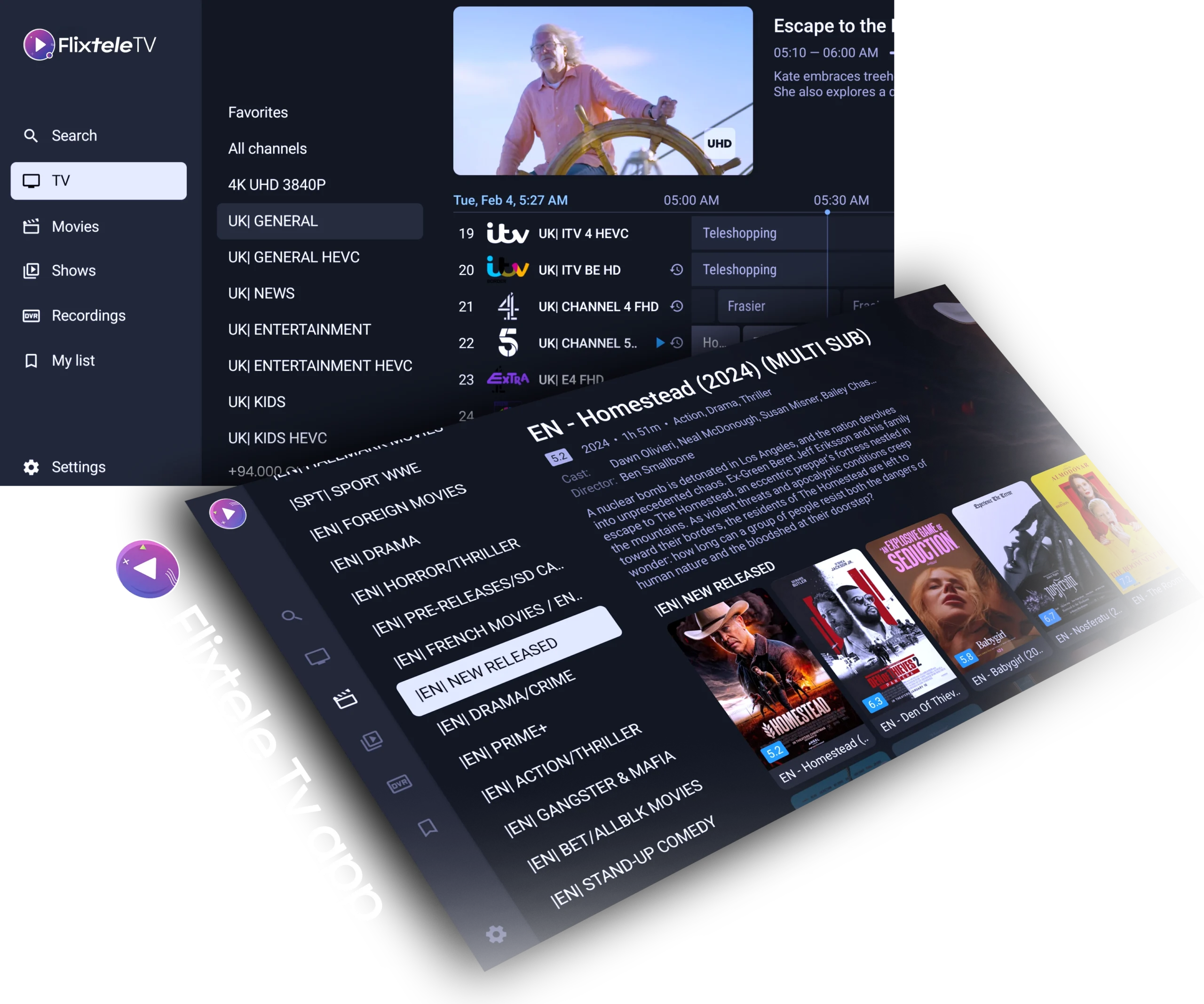 From the start, Flixtele felt familiar in some ways and different in others. Familiar because the channel structure and VOD layout followed patterns I’ve seen hundreds of times. Different because, during the first few weeks, it simply didn’t generate the usual emergency messages I expect when onboarding a new IPTV service. That silence, in this business, is usually a good sign.
One thing people outside the industry don’t always realize is how fragile IPTV setups can be when they’re poorly managed. I’ve watched servers buckle during major boxing events, leaving customers staring at frozen screens while resellers scramble for explanations. With Flixtele, my first real stress test came during a high-traffic sports weekend last season. I had the service running on a mid-range Android box at home and simultaneously helped a customer set it up on a Fire Stick. We both noticed minor buffering once or twice—but nothing that forced a restart or channel hop. From experience, that already puts it ahead of many competitors.
The interface itself won’t win design awards, but that’s not where I tend to be critical. In my experience, overly flashy IPTV interfaces often hide weak backend infrastructure. Flixtele keeps things relatively straightforward. Categories load quickly, VOD thumbnails don’t time out endlessly, and the EPG—while not perfect—updates more consistently than what I see from many budget providers. I’ve learned to forgive a slightly clunky menu if the streams themselves stay stable.
A personal anecdote that stands out involved an older customer I helped last winter. He wasn’t tech-savvy and had previously canceled IPTV altogether after a bad experience where channels constantly disappeared. I walked him through Flixtele’s setup over the phone, expecting the usual follow-up calls. They never came. When I checked in weeks later, he told me he’d been watching documentaries and live news daily without issues. For me, that kind of quiet satisfaction matters more than any feature list.
That said, Flixtele isn’t something I recommend blindly. One common mistake I see users make is assuming every IPTV service will perform the same on any internet connection. I’ve had people blame Flixtele for buffering when they were running it on overcrowded Wi-Fi networks or outdated routers. In one case, switching a customer from Wi-Fi to a wired connection made the difference between constant complaints and smooth playback. IPTV services are only as good as the environment you run them in, and Flixtele is no exception.
Another issue I’ve personally encountered involves expectations around VOD freshness. Some users expect brand-new releases to appear instantly and flawlessly. In reality, VOD libraries are living systems. I’ve noticed Flixtele generally updates content at a reasonable pace, but occasionally a new title might have multiple source options, some better than others. Knowing how to switch streams or wait a short while before watching has saved me frustration more than once.
What I appreciate most is predictability. Over the years, I’ve learned that a “good” IPTV service isn’t the one that promises the most—it’s the one that behaves consistently. Flixtele doesn’t reinvent the wheel, but it also doesn’t surprise me in unpleasant ways. When something does go wrong, it’s usually minor and temporary, not a full collapse that forces users to search for backups.
I’ve also tested Flixtele across different devices—Android TV, Fire Stick, and even a basic smartphone setup while traveling. Performance naturally varies by device, but the service itself remains recognizable and usable across platforms. That consistency tells me there’s competent backend management involved, something I pay close attention to after seeing too many services stitched together with little long-term planning.
If you’re someone who jumps from one IPTV provider to another chasing perfection, Flixtele may not feel revolutionary. But if you’re tired of instability, missing channels, and services that vanish overnight, it’s a more grounded option than many alternatives I’ve dealt with. My professional instinct is always cautious, yet based on hands-on use and real customer experiences, I’m comfortable saying Flixtele sits in the category of services that try to do fewer things well rather than many things poorly.
After a decade in this space, that restraint is often what separates something usable from something disposable.